Planned Obsolescence: The ROI of Owning Stuff (What Holds Value and What Doesn’t)

Trent Taylor
Planned obsolescence is the practice of designing products with a limited useful life so they need to be replaced more frequently. You feel it every time a phone slows down after a few years or a pair of shoes wears out faster than expected. We've all fallen victim to it, and the question is not whether it exists, but how it affects what you own and what it’s worth.
The Origin of Planned Obsolescence
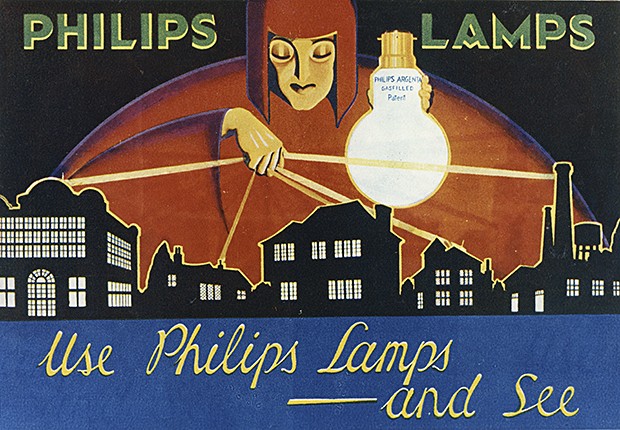
The modern concept of planned obsolescence dates back to the 1920s with the Phoebus cartel, a group of major light bulb manufacturers that agreed to limit bulb lifespan to around 1,000 hours. Before that agreement, some bulbs lasted significantly longer.
Shorter lifespan meant more frequent replacement, which meant higher sales for all of the companies. This then became a widespread manufacturing strategy by the mid-20th century, particularly in consumer goods and electronics.
Regulatory pressure and antitrust scrutiny eventually pushed back on these practices, but the underlying incentive never disappeared.
Today, it shows up less as an explicit agreement and more as:
design choices that favor replacement over repair
software updates that degrade older hardware performance
materials that wear faster than necessary
Unfortunately for us as average consumers, the system is built this way.
The Three Types of Planned Obsolescence
Planned obsolescence is not one thing. It shows up in different ways depending on how a product is designed, sold, and updated over time.
Functional obsolescence
This is the most obvious version. The product physically wears out or fails faster than it needs to.
Think about devices with sealed batteries that degrade after a few years. Or appliances where a small part fails but cannot be replaced without replacing the entire unit.
The product still works for a while. But it is not built to last.
Technological obsolescence
Here things get a little more subtle. The product still works, but the ecosystem moves on. Software updates slow down older hardware. Apps stop supporting previous versions.
Compatibility breaks so the device becomes frustrating to use, even if nothing is physically wrong with it.
A well-known example is smartphone performance degradation tied to battery health and software updates. Even when explained as a performance safeguard, the result is the same. People upgrade sooner than they otherwise would.
Psychological obsolescence
This is the one a lot of us probably underestimate. The product works perfectly fine, but it feels outdated.
New designs come out. Trends shift. Colors change. The older version starts to feel like something you should replace, even if there is no functional reason to do so.
Fast fashion runs almost entirely on this cycle. The product is not broken. It is just no longer “in style.”
When you look at your purchases through this lens, it becomes easier to see what is actually happening.
Some products are built to fail. Some are built to fall behind. Some are built to feel replaceable.
How Planned Obsolescence Affects Item ROI
When you buy something, you are making an investment decision whether you think of it that way or not.
Item ROI is the relationship between:
what you pay
how long it lasts
what you can sell it for later
Most people only focus on the first number.
But the full equation looks more like:
Cost of Ownership = Purchase Price − Resale Value + Replacement Frequency
If something costs $100 and lasts one year, then costs $100 again next year, your real cost is $200 over two years.
If something costs $200 but lasts five years and still sells for $80, your cost is $120 over five years.
This is where I think we find a lot of value in thinking deeper about what we own. In reality, when that few hundred bucks multiplies across 100 different items in your home, the savings number gets quite large.
What Holds Value vs What Doesn’t
A lot of us have probably heard about these categories, yet somehow never taken action on that knowledge. The pattern recognition is key here:
Category | Typical Behavior | Example |
|---|---|---|
Fast fashion clothing | Rapid depreciation | $60 shirt → ~$10 resale in 1–2 years |
Mid-tier electronics | Moderate depreciation | $1,000 laptop → ~$400 in 3 years |
High-quality furniture | Slow depreciation | $2,000 couch → ~$800 in 5 years |
Collectibles / watches | Value retention or appreciation | Rolex Submariner → often retains or exceeds original price over decades |
Cheap household goods | Near-zero resale | $40 appliance → negligible resale |
The difference is not just price. It is durability, brand perception, and market demand.
A $380 KitchenAid Artisan mixer, for example, often resells around $150 to $220 depending on condition after a few years. This is a clear reflection of consistent demand and product longevity.
Why Repairability Is Making a Comeback
There is a growing push against planned obsolescence, and it is coming from both consumers and regulators.
The right-to-repair movement focuses on one simple idea: you should be able to fix the things you own.
That includes:
access to replacement parts
repair manuals
tools that are not locked behind manufacturers
When products are repairable, their lifespan increases. And when lifespan increases, resale value follows.
The world generates over 62 million metric tons of electronic waste annually, according to the United Nations Global E-waste Monitor. A significant portion of that comes from devices that could be repaired but are instead replaced.
Companies that embrace repairability tend to create very different ownership outcomes.
You see this with:
Patagonia, which offers repair programs for clothing
Framework, which builds modular laptops with replaceable parts
certain furniture brands that design for disassembly and reuse
These products do not just last longer. They behave differently in the secondary market. They retain value because they can be maintained.
A Real Example of Planned Obsolescence in Practice
I ran into this recently with a Breville espresso machine.
It's a great product. Good design, strong brand, feels high quality. It was also about $1,000, so not something you expect to replace anytime soon.
Just a few years in, one sensor failed that turns the whole machine unusable. The first time it happened, it was still under warranty, and Breville fixed it. Two months later, the exact same issue came back. This time, it was out of warranty.
The response was essentially: there is nothing we can do. No guidance or repair option, just a useless Breville once again. The worst part is it was only the milk temperature sensor that didn't work, yet we could use any other parts of the machine.
That is the moment where planned obsolescence becomes very real. The issue wasn't that the product stopped working, that happens all the time, but the system around it was not designed to keep it working.
Instead of replacing it, we found the part ourselves from an Australian supplier for about $30. It took around 15 minutes to install. The machine has been working perfectly since.
So the actual failure is not necessarily the product, but the support system and the culture around planned obsolescence that corporations have created.
The Role of Brand and Build Quality
Some companies intentionally build products that last. Others optimize for cost and replacement cycles.
Brands that emphasize durability tend to:
use higher quality materials
design for repairability
maintain consistent product standards
Examples often cited in this category include:
Patagonia for clothing
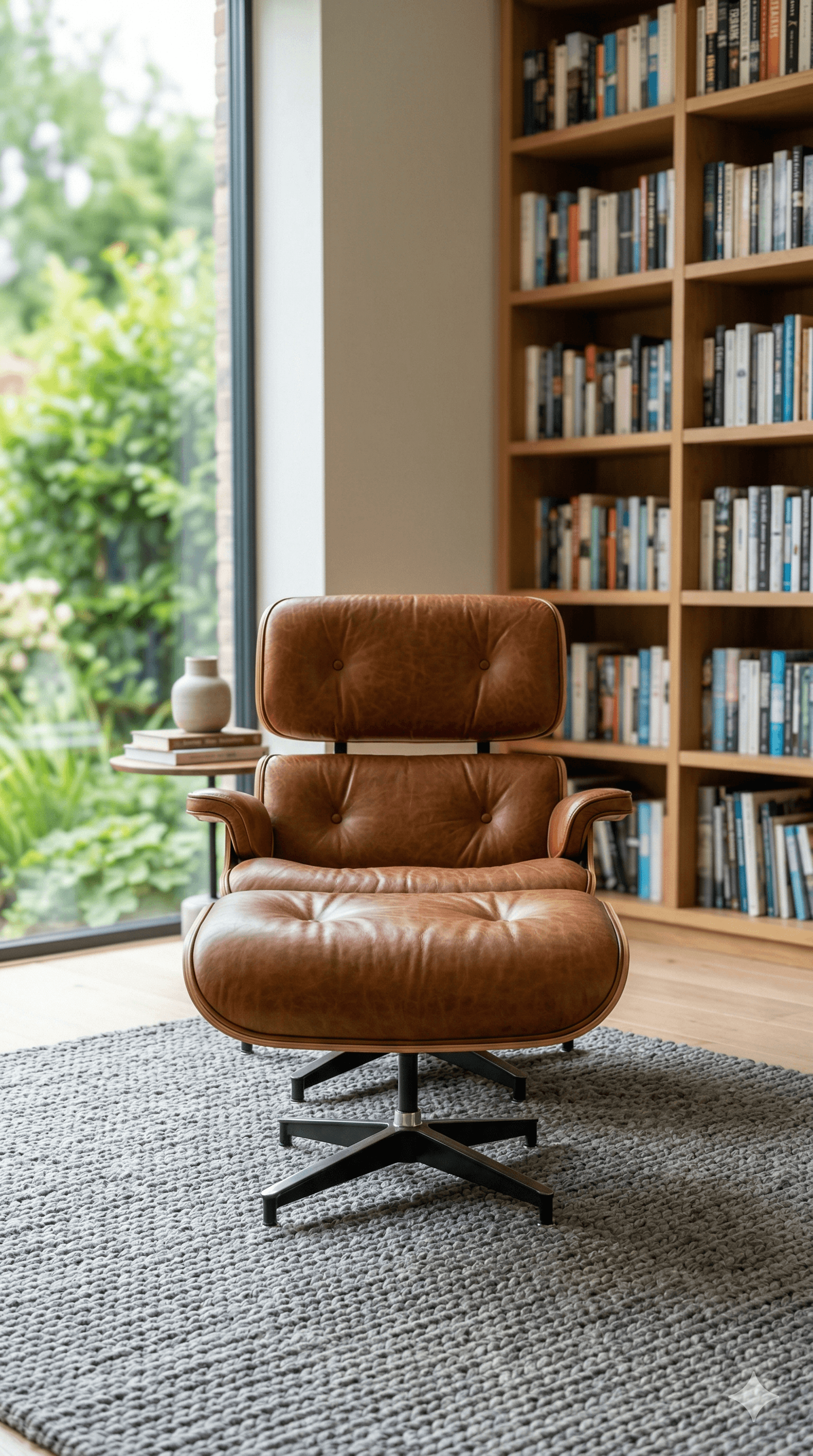
Herman Miller for furniture
Leica for cameras
These companies build reputations around longevity, which directly affects resale value. These high-quality goods with strong brand equity tend to retain a higher percentage of their original value due to sustained secondary market demand.
You are not just buying the product. You are buying the resale market behind it.
The Extreme Example: Watches as Value Stores
Luxury watches are the clearest example of item ROI taken to the extreme.
A Rolex purchased in the 60s has often retained or exceeded its original value, depending on model and condition. Some references have appreciated significantly.
This does not mean everyone should buy a luxury watch.
The takeaway is:
durability + demand + limited supply = value retention
Those same principles apply at smaller scales across everyday items, and durability and demand often go hand in hand. Even if you're someone who couldn't care less about watches, you recognize the high quality of the Swiss watch brand and its demand.
Why Most People Get This Wrong
Most people treat purchases as expenses as opposed assets. You buy something. You use it. You replace it.
There is no feedback loop telling you:
how fast it depreciated
what it was worth over time
whether it was a good decision
So patterns never form.
You end up rebuying lower-quality items because the upfront cost feels smaller, even if the long-term cost is higher.
How to Think About Item ROI in Practice
You do not need to turn every purchase into a financial model. You just need a better filter.
Before buying something, ask:
How long will this realistically last?
What would someone pay for this used?
Is there a resale market for this category?
That alone changes behavior.
Over time, you shift toward:
fewer purchases
higher quality items
better long-term outcomes
The Missing Layer: Visibility Into What You Own
All of this breaks down if you cannot see the full picture.
You might own:
$4,000 in electronics
$6,000 in furniture
$3,000 in clothing
But without tracking it, it is just abstract. Most people track financial assets daily but have no system for tracking physical belongings or their value over time.
That means you cannot:
measure depreciation
identify value retention
make informed decisions
You are operating without feedback.
Where This Becomes Practical
Once you start tracking your items, a few things become obvious:
which categories hold value
which purchases lose value quickly
where you are overspending
You start to see your belongings less as random objects and more as a portfolio of physical assets.
At Zozy, we call this your “stuff worth.” It is the total fair market value of everything you own, updated over time as items depreciate or hold value.
That visibility turns abstract ideas like planned obsolescence into something you can actually measure.
Read more
More on buying better, knowing value, and spending on what’s worth it.