
How Pricing Works
Surveillance Pricing: Why Your Price Might Not Be My Price
Some prices are calculated for you specifically, using what the seller knows about you. What the FTC found, which states now require disclosure, and what you can do.

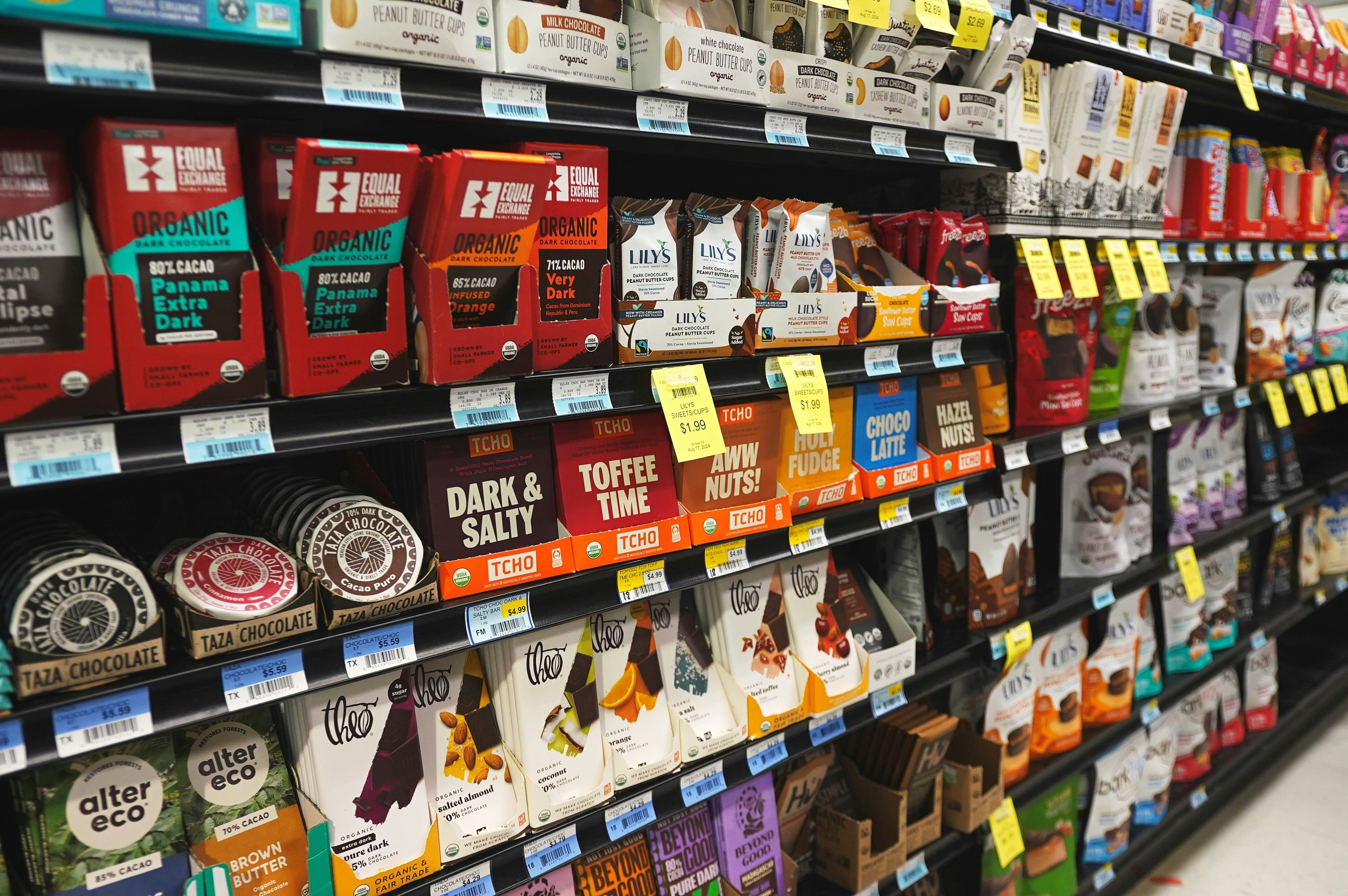
Since November 2025, New York has required sellers to say when a price was built from your personal data.
Since November 2025, some prices in New York have carried a label that reads, in capital letters: THIS PRICE WAS SET BY AN ALGORITHM USING YOUR PERSONAL DATA.
That sentence is the clearest summary of what changed in retail over the last two years. The price on your screen is increasingly calculated for you specifically, using what a company knows about you, and until recently nobody had to tell you when that was happening.
Surveillance pricing is not the same as dynamic pricing
The distinction matters and gets blurred constantly, usually by the companies doing it.
Dynamic pricing moves a price based on conditions. Flights cost more at the holidays, hotel rooms cost more during a conference, ride fares rise in the rain. Everyone shopping at that moment sees the same number. It has been standard practice in travel for decades and almost nobody objects to it.
Surveillance pricing, sometimes called personalized pricing, moves a price based on you. Two people searching the same item at the same second can be quoted different numbers because of what the seller has inferred about each of them. The input is not supply and demand. The input is your profile.
Most of the public argument about "AI pricing" is really an argument about which of these two things is happening, because companies have an incentive to describe the second as the first.
What the FTC found companies were using
In July 2024 the Federal Trade Commission ordered eight pricing technology companies to explain how they build individualized prices. The agency published its findings in January 2025.
The data inputs it documented go well past purchase history. They include precise location, browser and shopping history, demographics, and in some cases mouse movements, meaning where your cursor hovered and how long you hesitated before clicking.
The scale is the part most people miss. The intermediaries the FTC examined were not running a handful of pilots. They had worked with at least 250 clients, grocery retailers among them. This is infrastructure, sold as a service, already deployed.
New York made sellers say it out loud
New York's Algorithmic Pricing Disclosure Act took effect on November 10, 2025. It requires any business pricing goods or services with an algorithm informed by consumer personal data to display that exact capitalized sentence alongside the price. It exempts subscription discounts for existing customers.
Penalties run up to $1,000 per violation, and the state Attorney General enforces it, giving a business a chance to fix the problem before seeking penalties.
The National Retail Federation challenged the law on First Amendment grounds and lost. A federal court found the required disclosure factual and uncontroversial, which is the legal standard that lets a government compel a commercial disclosure.
The rest of the rules are still being written
This is a live regulatory question rather than a settled one, and the dates are worth knowing.
Maryland's Protection From Predatory Pricing Act took effect on October 1, 2026, banning large grocery stores and grocery delivery apps from using personal data to charge specific shoppers higher prices. Colorado's SB26-189, signed on May 14, 2026 and taking effect January 1, 2027, adds notice requirements and a right to human review when automated systems make decisions in areas like housing, credit, insurance and employment. California's automated decisionmaking regulations, which require pre-use notices and opt-out mechanisms, apply to significant decisions starting January 1, 2027.
At the federal level, the FTC proposed an enforcement policy statement in August 2026 taking the position that a company failing to tell you your price was shaped by your personal data may be committing a deceptive practice under Section 5 of the FTC Act. Chairman Andrew Ferguson framed it as a disclosure obligation rather than a ban. Public comment closed on September 18, 2026 and the policy is not final. Dozens of additional states are weighing their own versions.
So the direction is clear and the coverage is not. Where you live currently determines whether anyone has to tell you.
Why you usually cannot verify the answer yourself
The airline case shows the shape of the problem.
In July 2025, Senators Ruben Gallego, Mark Warner and Richard Blumenthal wrote to Delta about its work with the AI pricing firm Fetcherr, arguing that individualized fares would push prices toward each traveler's personal limit rather than tracking supply and demand. Delta's answer was unambiguous: no fare product it has used, is testing, or plans to use targets customers with individualized offers based on personal information.
Take the denial at face value. The useful observation survives anyway. The senators' objection was not that they had caught something. It was that consumers have no way to know what data is collected or how the algorithm works, so the company's description is the only account available and it cannot be checked from inside the checkout flow.
That is the actual consumer problem. Not that every retailer is doing this, because most are not. It is that from where you stand, a personalized price and an ordinary price look identical.
What to do about it
You cannot audit a pricing algorithm. You can make its output less useful.
Reduce what the price knows about you. Log out, use a private window, and compare. If a price moves when your identity does, you have learned something specific.
Check the same item somewhere the seller does not control. A price only looks high or low next to something, and a retailer's own compare-at number is not that something.
Treat a number that follows you as a signal rather than an offer. Retargeting and tailored discounts are built to arrive when hesitation is detected. The timing is the tell.
Be most careful where it pays best. Personalization yields most on expensive, infrequent, hard-to-compare purchases, which is exactly where getting it wrong costs you the most.
You might also like